1990s Sports Cards: Foil, Chrome, Inserts, and the Evidence They Need
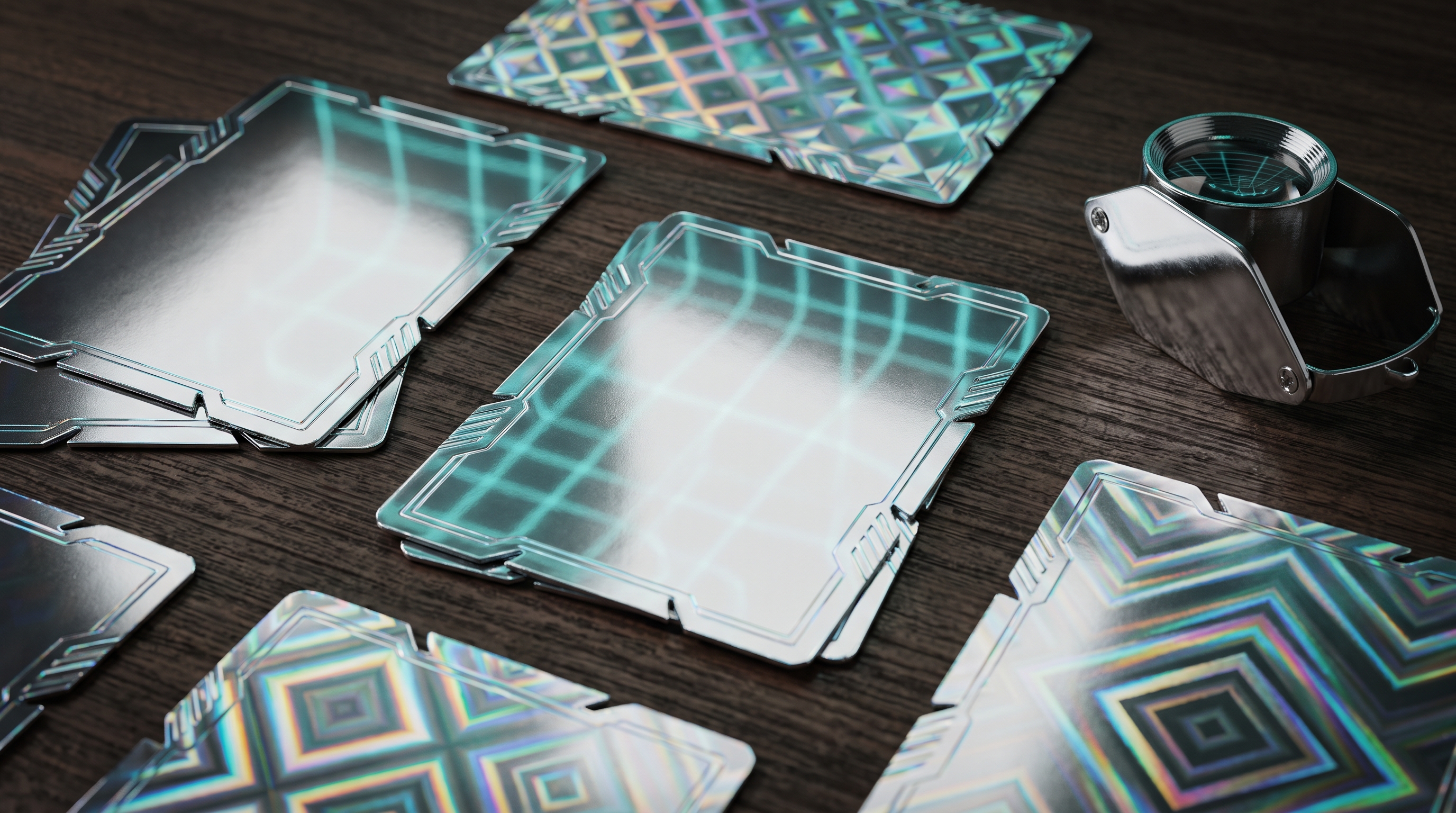
1990s sports cards expanded beyond paper stock into foil, chromium, refractor-style, die-cut, textured, and layered designs. Those surfaces can reveal scratches, scuffs, edge chipping, print concerns, dents, creases, and visible layer issues differently under light. Capture a clear Front and Back record before the next collector decision. Apex Cards Pro does not identify a set, confirm rarity, authenticate, appraise, or predict a grade.
Reflective, textured, die-cut, and layered designs can conceal or exaggerate a visible issue as light moves. Begin with full-card Front and Back images in even light, then add targeted closeups only when they clarify an observed concern.
Describe the Surface, Not the Story
Use terms such as visible scratch, scuff, edge chip, print concern, dent, crease, or layer concern. A photo cannot confirm a parallel, rarity, original construction, authenticity, value, or future grade.
Protect Future Submission Options
When future third-party submission is a consideration, avoid undocumented alteration, whitening products, cleaning sprays, wax, enhanced gloss, scratch-removal methods, or pressing. Grading companies determine eligibility independently.
Questions, answered
Before you decide
Can Apex Cards Pro identify a refractor or parallel?
No. Apex Cards Pro is a visual condition tool, not a set-identification or parallel database.
Why are foil and chrome cards harder to photograph?
Reflective and layered surfaces can change with light and angle. Use even light, capture the full card, and take a closeup only when it clarifies a visible concern.
Will a scan determine a 1990s insert's rarity or grade?
No. Apex Cards Pro does not estimate rarity, value, or official grading outcomes.
Documented first. Scope confirmed second.
Start with the card, not the promise.
Tell Apex what you have, what you want to achieve, and whether the objective is grading, collector presentation, recovery review, or slab care.